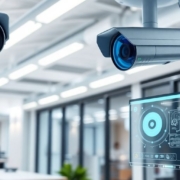
Why Physical Security Still Matters in a Digital-First Business World

In 2026, the business world often feels entirely digital. Boardroom discussions revolve around AI integration, cloud sovereignty, and zero-trust architectures. Cyber threats dominate headlines, and rightly so—the sophistication of digital attacks continues to escalate. Yet, amidst this focus on the virtual, a dangerous oversight is emerging: the neglect of physical security.

Many organizations mistakenly believe that robust firewalls and encryption are sufficient. This couldn’t be further from the truth. The reality is, a strong digital perimeter is only as good as the physical boundaries protecting it. One unlocked door, one compromised server room, or one easily accessible network cabinet can render millions in cybersecurity investment utterly useless.


The Unseen Hand: How Physical Breaches Become Digital Catastrophes

The connection between physical vulnerabilities and digital compromise is often a direct one. In 2026, physical security isn’t just about preventing theft; it’s about safeguarding your entire digital infrastructure.

  1. Direct Access to Network Infrastructure:
    • The Scenario: An intruder gains access to your server room, communications closet, or even an unattended workstation.
    • The Digital Impact: They can plug in a USB loaded with malware, connect a rogue device to your network, or physically steal hard drives containing sensitive data. The “air gap” myth is shattered.
    • 2026 Threat Twist: Small, undetectable “bugging” devices can be physically installed on network cables or power lines, siphoning data over months before detection.
  2. Insider Threats & Social Engineering:
    • The Scenario: An authorized but malicious employee, or even an external imposter, uses their physical presence to gain access. They might tailgate through a secure entry or pose as a contractor.
    • The Digital Impact: Once inside, they can install keyloggers, plant listening devices, access unattended computers, or simply observe sensitive information (e.g., passwords written on sticky notes).
    • 2026 Threat Twist: AI-powered facial synthesis can now be used in real-time by imposters to fool some older biometric physical access systems if they gain close proximity.
  3. Theft of Devices & Data Storage:
    • The Scenario: Laptops, external hard drives, USB sticks, and even old paper documents containing sensitive information are left unsecured and stolen from offices, vehicles, or homes.
    • The Digital Impact: Even encrypted devices can be cracked given enough time and resources, or the data can be brute-forced. Old paper records often contain legacy access codes or personal identifiers that can be used for digital identity theft.
    • 2026 Threat Twist: Even seemingly innocuous IoT devices (like smart speakers or digital assistants) if physically compromised, can become conduits for network access or data exfiltration.
  4. Disruption to Critical Infrastructure:
    • The Scenario: Vandalism, sabotage, or natural disasters (exacerbated by poor physical hardening) damage essential physical components like power grids, cooling systems, or fiber optic cables.
    • The Digital Impact: This leads to widespread outages, data corruption, and significant downtime for digital services.
    • 2026 Threat Twist: Targeted physical attacks on specific data centres or network hubs can cause regional digital blackouts, far more devastating than a typical DDoS attack.

The Evolution of Physical Security in 2026

Modern physical security is no longer just about locks and guards. It’s a sophisticated, integrated discipline that works in tandem with cybersecurity:

  • Integrated Access Control: Biometric (fingerprint, iris, facial recognition with liveness detection), smart card systems, and mobile credentials are now tied directly into HR databases and cybersecurity policies. Access is dynamic and context-aware.
  • Intelligent CCTV & Analytics: AI-powered cameras don’t just record; they identify suspicious behavior (loitering, tailgating), detect anomalies, and can even flag individuals on watchlists in real-time.
  • Perimeter Hardening & Layered Defenses: From reinforced doors and windows to vehicle access control points (VACP) and drone detection systems for critical infrastructure, creating multiple layers of physical deterrence.
  • Secure Infrastructure Design: Server rooms with environmental controls, fire suppression, strict access protocols, and tamper-evident technologies for physical hardware.
  • Supply Chain Security: Verifying the physical integrity of hardware and components from manufacturing to deployment, preventing “supply chain attacks” before they even reach your premises.
  • Employee Training & Awareness: The human element remains critical. Training staff to challenge unknown individuals, secure their workstations, and report suspicious activities is paramount.

Conclusion: A Holistic Approach for a Hybrid World

In 2026, the lines between physical and digital threats are increasingly blurred. Cybercriminals are exploiting physical weaknesses, and physical attackers are seeking digital gains. Businesses that neglect their physical perimeter are leaving a gaping hole in their overall security posture, regardless of how much they spend on cybersecurity software.

True resilience in a digital-first world demands a holistic security strategy. One that recognizes that the “data centre” isn’t just a cloud server—it’s also the physical building housing your hardware, the cables in the wall, and the people walking through your front door. Ignore the physical at your peril; your digital future depends on it.

Would you like a “Physical Security Audit Checklist for Data Centres in 2026” based on these principles? Sure, I can create an image for your blog post “Why Physical Security Still Matters in a Digital-First Business World.”

Please provide me with a brief description or concept for the image you have in mind. For example, do you want to show:

  • A symbolic image of physical and digital security merging?
  • A physical vulnerability leading to a digital breach?
  • Modern physical security technology (AI cameras, biometrics)?

Once I have a better idea, I will generate the image for you.

Abbey Mills, Off Kirkstall Rd, Leeds

Metal Theft, Squatting & Vandalism: The Biggest Property Security Risks in the UK

As we move through 2026, the UK property landscape is facing a “perfect storm” of security challenges. While traditional burglaries have seen a slight decline thanks to smart home tech, three specific threats—metal theft, squatting, and vandalism—have surged, driven by economic shifts and sophisticated criminal tactics.

For property managers, landlords, and commercial owners, understanding these risks is no longer optional; it’s a matter of financial survival.


1. Metal Theft: The £500m “Copper Gold Rush”

In 2026, metal theft isn’t just a nuisance; it’s an organized industry. With copper prices reaching record highs of over $12,000 per tonne, criminals are targeting more than just abandoned warehouses.

  • The Targets: Railway cabling, church lead roofing, and even air conditioning units from active office blocks are high-value targets.
  • The Impact: Beyond the cost of the metal, the “consequential loss” is devastating. Stripped pipes lead to catastrophic flooding, and stolen cabling can shut down entire transport networks or data centers.
  • The 2026 Defense: * Forensic Marking: Using traceable liquids like SmartWater or SelectDNA (proven to reduce burglary by up to 84%).
    • Real-time Vibration Sensors: Modern sensors can detect the specific frequency of a saw cutting through metal before the material is even removed.

2. Squatting: The Commercial Property Loophole

The legal divide between residential and commercial squatting remains a major headache in 2026. While squatting in a house is a clear criminal offense, non-residential squatting is often treated as a civil matter.

  • The Risk: Professional squatting groups are highly knowledgeable about “squatters’ rights.” If they gain entry to a commercial building without “breaking and entering” (e.g., through an unlocked window), removing them requires a costly and slow Interim Possession Order (IPO).
  • The “Adverse Possession” Threat: If left unchecked, long-term squatters can eventually claim legal ownership of land or buildings.
  • The 2026 Defense:
    • Steel Security Screens: Moving beyond plywood, high-grade steel screens are now the standard for protecting vacant windows and doors.
    • Utility Disconnection: Modern property managers are now remotely isolating water and power to make the environment uninhabitable for trespassers.

3. Vandalism and “Everyday Crime”

Vandalism in 2026 has evolved from simple graffiti to high-cost criminal damage. Economic pressures have led to a rise in “anti-social behavior” that frequently targets the physical fabric of town centers.

  • The Trend: There is a growing “epidemic” of opportunistic damage. Empty shops and construction sites are often hit not for what can be stolen, but as a byproduct of trespassing or general disruption.
  • The Hidden Cost: Vandalism often acts as a “broken window” signal—once a property looks neglected, it attracts more serious crimes like arson or large-scale stripping.
  • The 2026 Defense:
    • AI-Powered “Loitering” Alerts: CCTV systems now use behavioral analytics to distinguish between someone passing by and someone lingering with intent to damage.
    • Community Watch 2.0: Digital neighborhood hubs and private security patrols are increasingly filling the gap where local policing resources are stretched thin.

Summary of Property Risks & Solutions

Risk TypePrimary DriverBest Defense in 2026
Metal TheftRecord Copper/Lead PricesForensic Marking & Vibration Alarms
SquattingLegal Loopholes (Commercial)Steel Screens & Rapid IPO Filings
VandalismSocietal Decay & NeglectAI Behavioral CCTV & Perimeter Hardening

Export to Sheets


Secure Your Property Today

The common thread in 2026 is that reactive security is no longer enough. Waiting for an alarm to go off often means the damage is already done. Proactive “hardening”—combining physical barriers with smart technology—is the only way to stay ahead of increasingly sophisticated threats.

AI-Powered CCTV in 2026: Smarter Security or Bigger Liability?

Meta Description: Explore the future of AI-powered CCTV in 2026. Will advanced analytics and facial recognition revolutionize security, or will privacy concerns and ethical dilemmas create new liabilities for businesses and individuals?

The year is 2026. Glance up in most urban centers, and the familiar, unblinking eye of the CCTV camera is still there. But look closer, and you’ll realize these aren’t your grandfather’s security cameras. Powered by increasingly sophisticated artificial intelligence, these devices are no longer just recording events; they’re actively interpreting them.

This evolution brings with it a tantalizing promise: a world of unprecedented security. Imagine systems that can not only detect a break-in but predict it, flagging suspicious behavior before a crime is even committed. Picture retail spaces instantly identifying known shoplifters or public areas quickly locating a missing child through facial recognition. The allure of a safer, more controlled environment is powerful.

The “Smarter Security” Argument

At its core, AI-powered CCTV aims to move beyond reactive security to proactive prevention. Here’s how it’s shaping up in 2026:

  • Predictive Analytics: AI models, fed vast amounts of historical data, can identify patterns indicative of potential threats. This could mean flagging unusual loitering, repeated visits to a sensitive area by an unknown individual, or even changes in crowd density that suggest an impending incident.
  • Enhanced Object and Anomaly Detection: Beyond just recognizing people, AI can differentiate between a dropped bag and a suspicious package, or a playful tussle and an actual altercation. This drastically reduces false positives and allows human operators to focus on genuine threats.
  • Facial and Gait Recognition: While still a hot-button issue, the technology for identifying individuals based on their face or even their unique walking style has become remarkably accurate. In controlled environments (like corporate campuses or airports), this can streamline access control and quickly identify unauthorized personnel.
  • Behavioral Analysis: AI can learn “normal” behavior for a given environment and alert security to deviations. This could be someone running in a no-running zone, an individual attempting to access a restricted area, or even subtle signs of distress in a crowd.

All of this paints a picture of a security infrastructure that is more vigilant, more efficient, and ultimately, more effective at protecting people and property.

Image of

The “Bigger Liability” Counterpoint

However, the rapid advancement of AI in CCTV doesn’t come without significant ethical, legal, and social baggage. The very features that promise enhanced security also open doors to potential liabilities:

  • Privacy Erosion: This is arguably the biggest concern. With cameras constantly analyzing our faces, gaits, and behaviors, the concept of public anonymity could become a relic of the past. Who owns this data? How is it stored? Who has access to it, and for how long? The potential for misuse, from targeted advertising to government surveillance, is immense.
  • Bias and Discrimination: AI systems are only as good and unbiased as the data they’re trained on. If training datasets are skewed, AI-powered CCTV could disproportionately misidentify or flag individuals based on race, gender, or other characteristics, leading to false accusations and discriminatory practices.
  • Misinterpretation and False Positives: While improving, AI is not infallible. A system might misinterpret innocent behavior as suspicious, leading to unnecessary interventions, harassment, or even wrongful arrests. The consequences for individuals caught in such a loop could be severe.
  • Data Security Breaches: A vast network of interconnected AI-powered cameras generates an enormous amount of sensitive personal data. This makes these systems prime targets for cyberattacks. A breach could expose not just faces and movements, but also personal routines, associations, and potentially even real-time locations of countless individuals.
  • “Chilling Effect” on Free Speech and Assembly: If individuals feel they are constantly being monitored and analyzed, it could suppress legitimate forms of protest, dissent, or even casual social interaction in public spaces. The psychological impact of pervasive surveillance is a significant, if often underestimated, liability.
  • Regulatory Minefield: Laws and regulations are struggling to keep pace with the technology. What constitutes “reasonable” surveillance? What rights do individuals have regarding their biometric data captured by private or public CCTV? The lack of clear legal frameworks creates a liability vacuum for operators and manufacturers alike.

Finding the Balance: 2026 and Beyond

By 2026, the conversation around AI-powered CCTV is less about “if” and more about “how.” The technology is here to stay, and its capabilities will only grow. The critical challenge lies in striking a balance between leveraging its security benefits and mitigating its profound liabilities.

This will require:

  • Robust Ethical Frameworks: Clear guidelines on the permissible use of AI in public and private surveillance.
  • Stronger Data Protection Laws: Comprehensive legislation that gives individuals greater control over their biometric and behavioral data.
  • Transparency and Accountability: Operators of AI-CCTV systems must be transparent about their deployment and accountable for any biases, errors, or misuse.
  • Public Dialogue and Education: Open conversations are needed to ensure that the public understands both the benefits and risks, allowing for informed societal choices.

The promise of smarter security is compelling, but the potential for bigger liabilities is equally daunting. As AI continues to evolve, our ability to navigate this complex landscape will define whether these advancements truly serve to protect us, or inadvertently create a more controlled, less free society.

Commercial Property Security in 2026: What UK Businesses Must Prepare for Now

Commercial property security in the UK is entering a decisive period. As we move through 2026, businesses are facing a more complex mix of physical crime, technological risk, regulatory pressure, and changing working patterns than ever before.

For property owners, landlords, and occupiers, security can no longer be treated as a “tick-box” exercise. The question in 2026 isn’t if your premises will be targeted — it’s whether you’re prepared when it happens.

The Changing Risk Landscape for UK Commercial Properties

Crime affecting business premises continues to evolve. Opportunistic theft remains common, but organised criminal activity is now a growing concern, particularly across industrial estates, logistics hubs, and vacant commercial buildings.

At the same time, hybrid working has left many offices partially occupied, creating predictable gaps in oversight. Empty units, reduced footfall, and quiet out-of-hours periods all increase vulnerability — especially where security systems haven’t been updated to reflect these new patterns.

Businesses must now think beyond basic break-in prevention and consider how their property appears to criminals: poorly lit areas, outdated CCTV, unsecured access points, and inconsistent monitoring are easy signals that a building is under-protected.

Security Technology Has Advanced — Expectations Have Too

In 2026, modern security systems are smarter, faster, and more connected — but that also means expectations are higher.

CCTV is no longer just about recording incidents after the fact. AI-enabled analytics can detect suspicious behaviour, identify unauthorised access, and alert teams in real time. Access control systems are increasingly digital, replacing keys with fobs, mobile credentials, or biometric verification.

However, with smarter systems comes greater responsibility. Poorly configured technology, unpatched software, or insecure networks can create new risks. Physical security and cyber security are now closely linked, particularly in smart buildings where multiple systems share data.

UK businesses must ensure that security upgrades are not only effective but also compliant with data protection and privacy regulations.

Regulatory Pressure and Compliance in 2026

Regulation continues to play a growing role in commercial property security. Insurers are demanding higher standards of protection, clearer audit trails, and evidence of regular maintenance. Failure to meet these expectations can result in higher premiums — or rejected claims.

There is also increasing scrutiny around surveillance, access control, and data storage. Businesses must be able to justify their security measures, demonstrate proportionality, and show that staff and visitors are informed about how their data is used.

In 2026, compliance is not just a legal issue — it’s a reputational one.

The Real Cost of Inadequate Security

The financial impact of a security breach goes far beyond the immediate loss or damage. Downtime, lost contracts, reputational harm, insurance disputes, and staff disruption can quickly escalate costs.

For landlords, poor security can lead to higher tenant turnover and reduced property value. For occupiers, it can undermine business continuity and employee confidence.

Investing in effective security is no longer just about protection — it’s about resilience.

Preparing Now: Practical Steps for UK Businesses

To stay ahead in 2026, UK businesses should be taking action now:

  • Review and update risk assessments regularly, especially if building usage has changed
  • Upgrade outdated systems to meet current standards and insurer expectations
  • Integrate security measures, ensuring CCTV, access control, alarms, and monitoring work together
  • Train staff so security procedures are understood and consistently followed
  • Work with professional security partners who understand both technology and UK compliance requirements

Security should be proactive, not reactive — designed to prevent incidents rather than simply record them.

Looking Ahead

Commercial property security in 2026 is about foresight. Criminals adapt quickly, technology moves fast, and regulations continue to tighten. Businesses that plan ahead will not only reduce risk but also gain a competitive advantage through safer, more resilient premises.

The time to prepare isn’t after an incident occurs — it’s now.